Sineng On-Grid Inverters
Best On-Grid Inverter for Your Solar Project: A Complete Guide to the Sineng Range
On this page
- What Actually Makes an On-Grid Inverter "The Best" for Your Project
- The Sineng On-Grid Range, Model by Model
- Residential, 3-12kW: SN3.0/4.0/5.0/6.0/8.0/10/12PT
- Larger Homes and Small Commercial, 12-25kW: SN12(X)/15/17/20/25PT
- Multi-Roof Commercial, 25-40kW: SN25(X)/30/33/36/40PT
- Heavy Industrial, 50-60kW: SN50/60PT
- Large Industrial and C&I, 100-125kW: SN100/110/125PT
- Utility-Scale, 350kW: SP-350K-INHB
- How to Actually Choose Between Them
- Why OSG Oriana India for Sineng On-Grid Inverters
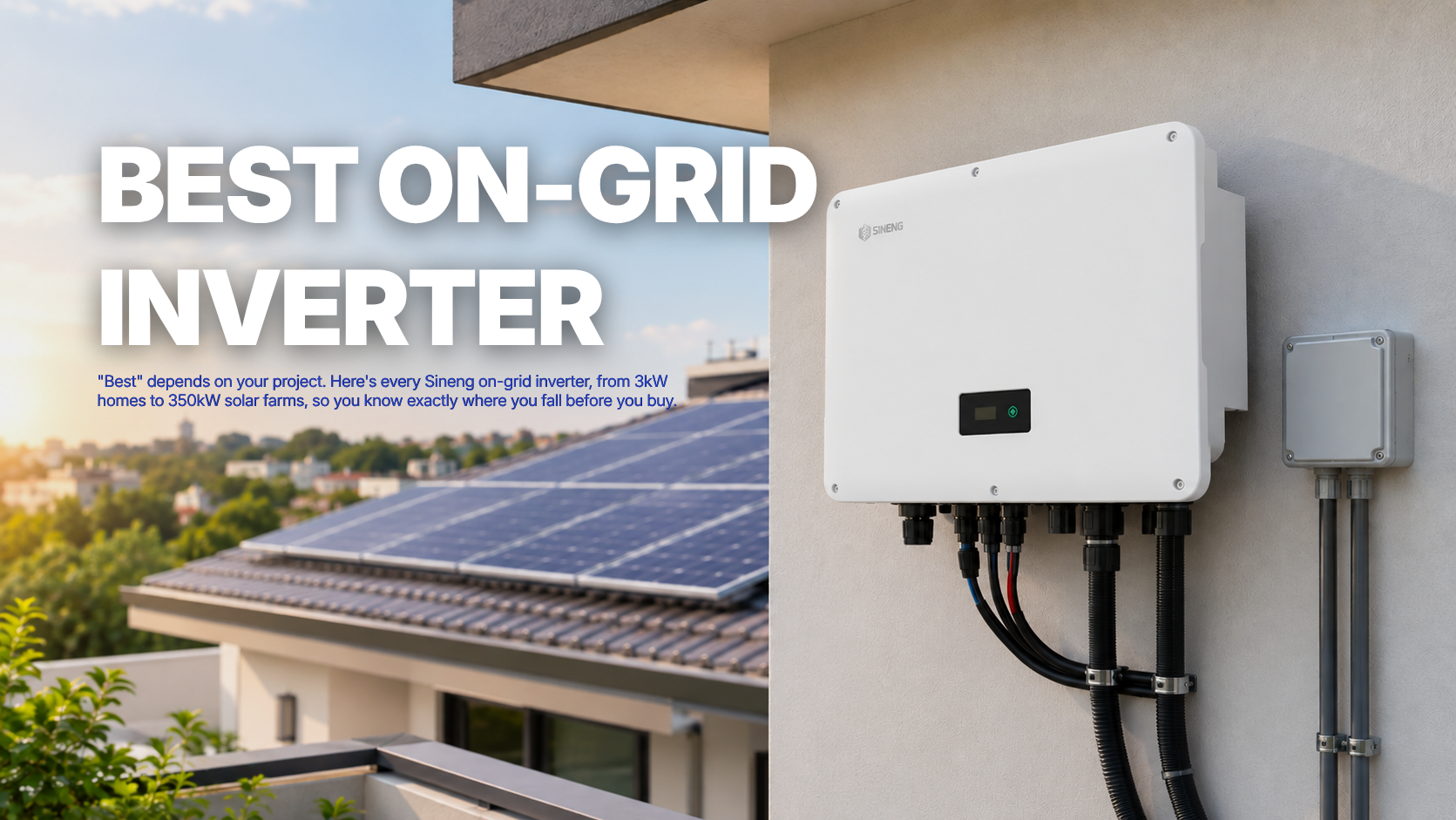
Every solar buyer wants to know they're getting the "best" inverter which makes sense, it's a real investment. But best for what? A home rooftop and a utility-scale solar farm aren't solving the same problem, so the right inverter looks different for each. This guide walks through the full Sineng on-grid range so you can see exactly where your project fits.
OSG Oriana India is the authorized PAN India distributor for Sineng, so this isn't a comparison against other brands it's a genuine product guide to help you figure out where you actually fall in the lineup before you start asking vendors for quotes.
What Actually Makes an On-Grid Inverter "The Best" for Your Project
Ask five different installers what the best on-grid inverter is, and you'll probably get five different answers, because they're all thinking about different projects. A homeowner cares about quiet operation and app monitoring. An EPC managing a factory rooftop cares about how many MPPTs they need to cover a sawtooth roof without losing output. A utility developer cares about grid code compliance and cost per watt across hundreds of units. None of them are wrong they're just answering a different question.
That's really the point of this guide. Rather than declaring one model "the best," it's more useful to know which segment of the Sineng lineup was actually built for your situation, and why.
The Sineng On-Grid Range, Model by Model
Residential, 3-12kW: SN3.0/4.0/5.0/6.0/8.0/10/12PT
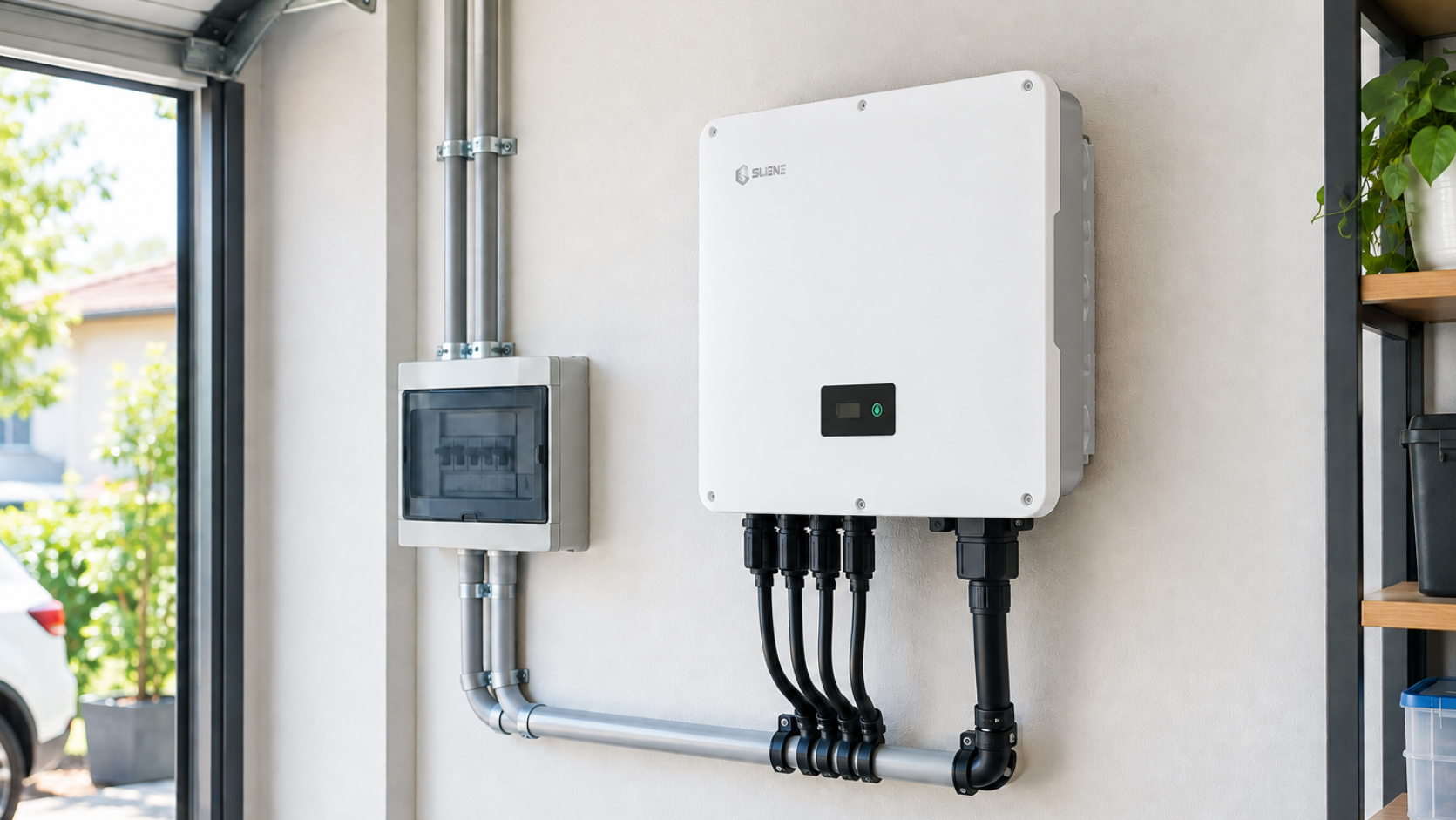
This is where most home installations land seven capacity points on one three-phase, 2-MPPT platform. If you're sizing a standard rooftop with a fairly straightforward layout, this range covers 3kW right up to 12kW without switching platforms as the system grows even slightly. It's also fanless up to the 6kW model, which matters if the inverter is going somewhere near a bedroom or living area.
Larger Homes and Small Commercial, 12-25kW: SN12(X)/15/17/20/25PT
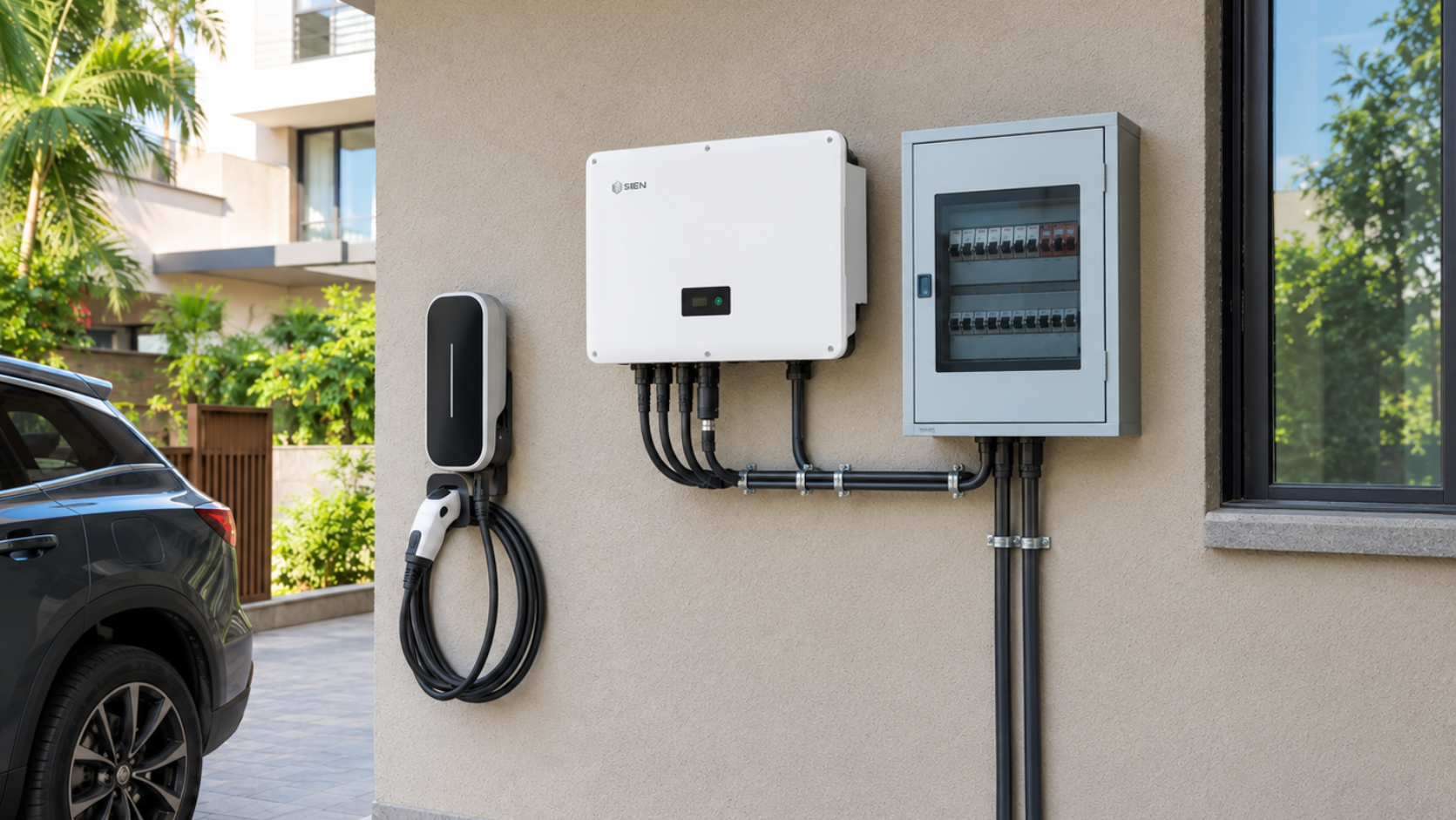
Once a home genuinely needs more than 12kW think a large villa running a pool pump, multiple ACs, and an EV charger or a small commercial site like a clinic or retail unit needs to step up, this range bridges the gap. It's not commercial-scale equipment in the industrial sense; it's really an extension of the same residential philosophy for sites that outgrew the standard bracket.
Multi-Roof Commercial, 25-40kW: SN25(X)/30/33/36/40PT
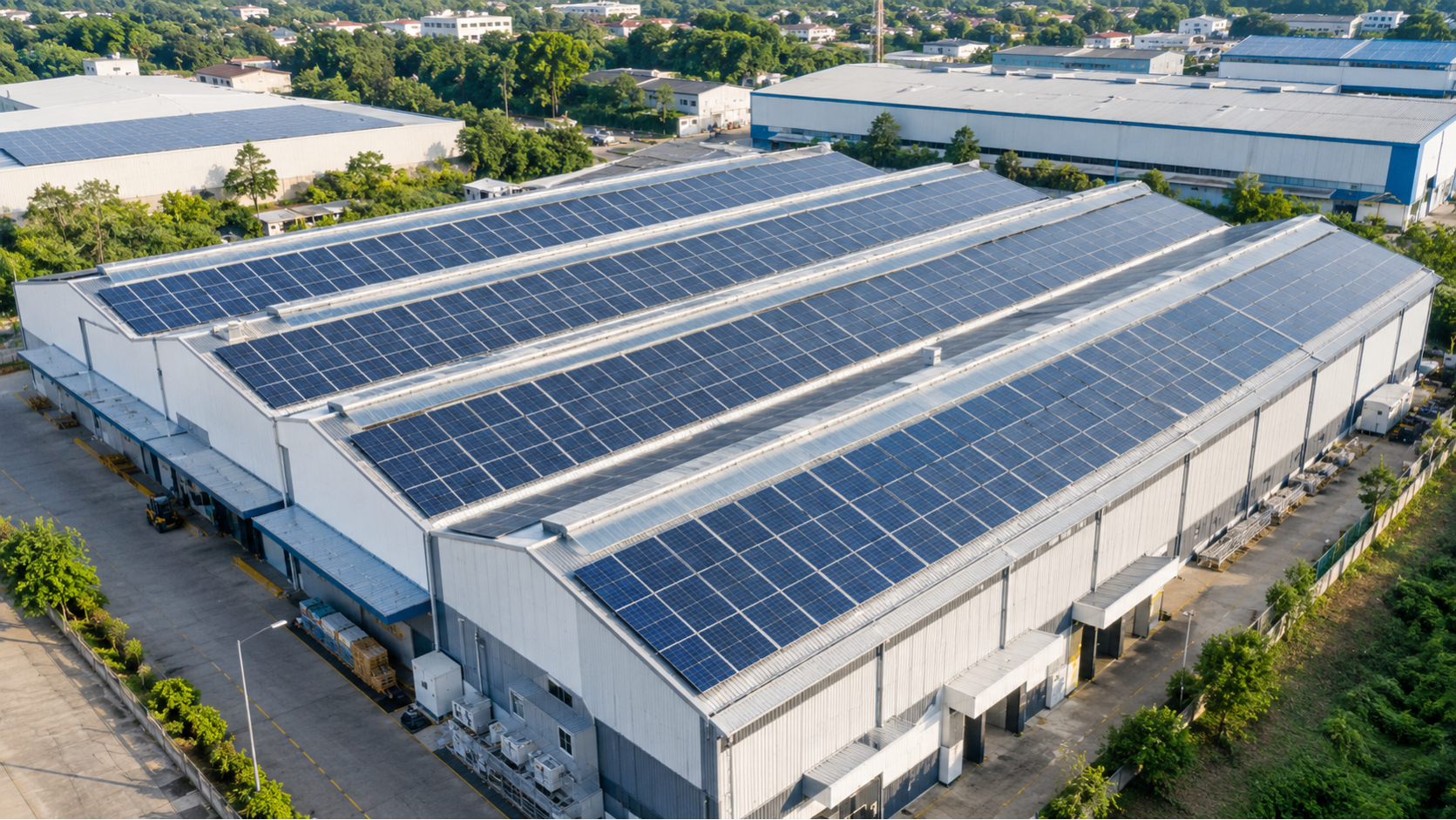
This is where the design starts solving a different problem: roofs that aren't one clean surface. Warehouses, distribution centers, and larger commercial buildings often have multiple roof sections at different angles, sometimes with different shading. With 3 MPPTs and 6 PV inputs, this range lets each section run independently instead of forcing a compromise.
Heavy Industrial, 50-60kW: SN50/60PT

At this point you're talking about factories, foundries, textile mills sites with either genuinely complex roof geometry (like sawtooth textile sheds) or harsh ambient conditions. Five MPPTs, bifacial compatibility, and a wide -25°C to 60°C operating range make this the model for sites where a standard commercial inverter would struggle with either the layout or the environment.
Large Industrial and C&I, 100-125kW: SN100/110/125PT
This tier is genuinely large-scale automotive plants, pharma facilities, big warehousing operations. Up to 5 MPPTs and 20 PV inputs mean sprawling rooftops or carport structures can be covered by fewer, larger units instead of a dozen smaller inverters stitched together.
Utility-Scale, 350kW: SP-350K-INHB

At the very top sits the SP-350K-INHB, built for actual utility-scale ground-mount farms and large captive industrial plants. It runs on 1500V architecture, has built-in grid code compliance features like LVRT and HVRT, and supports 30 PV strings per unit the kind of spec sheet that only matters once you're planning a project measured in megawatts, not kilowatts.
How to Actually Choose Between Them
Rather than asking "which is the best on-grid inverter," ask these questions instead, and the right tier of the Sineng range usually becomes obvious:
What's your actual sanctioned load and phase type? This alone rules out most of the range immediately.
Is your roof one surface, or several at different angles? More MPPTs only matter if you actually have more than one string orientation to track.
What's your site's ambient environment like? A foundry or chemical plant needs a different build quality than an office rooftop.
Are you planning to scale later? If growth is likely, it's worth sizing slightly ahead rather than needing a second inverter platform in two years.
Why OSG Oriana India for Sineng On-Grid Inverters

Being the PAN India authorized distributor means every unit that ships comes with genuine manufacturer warranty, not a grey-market import with no support trail if something goes wrong five years in. For installers working across residential and C&I projects, having one distributor relationship that covers the entire Sineng lineup from a 3kW home inverter to a 350kW utility unit also means consistent technical support and monitoring conventions no matter what size the next project is.
FAQs
1. Does Sineng make inverters for utility-scale solar farms too?
Yes, the SP-350K-INHB is built specifically for utility-scale and large captive ground-mount projects, running on 1500V architecture.
2. What's actually the best on-grid inverter for a home rooftop?
For most homes, something in the SN3.0-12PT range fits the right model within it depends on your actual sanctioned load and phase type.
3. Why buy through an authorized distributor instead of a cheaper import?
Genuine manufacturer warranty and a real support trail matter over a system's 20+ year life a cheaper unit with no backing can cost more if something fails later.
Found this useful? Share it with your network.