Solar Inverter
How to Choose the Best Solar Inverter for Your Business (2026 Guide)
How to Choose the Best Solar Inverter for Your Business
Switching to solar power is one of the smartest financial decisions a business can make in 2026 — but the panels aren't the whole story. The inverter is the brain of your solar system, and choosing the wrong one can quietly cost you thousands in lost efficiency, downtime, and early replacement costs.
If you're a business owner, facility manager, or procurement lead evaluating solar options, this guide breaks down exactly how to choose the best solar inverter for your business — without the technical jargon overload.
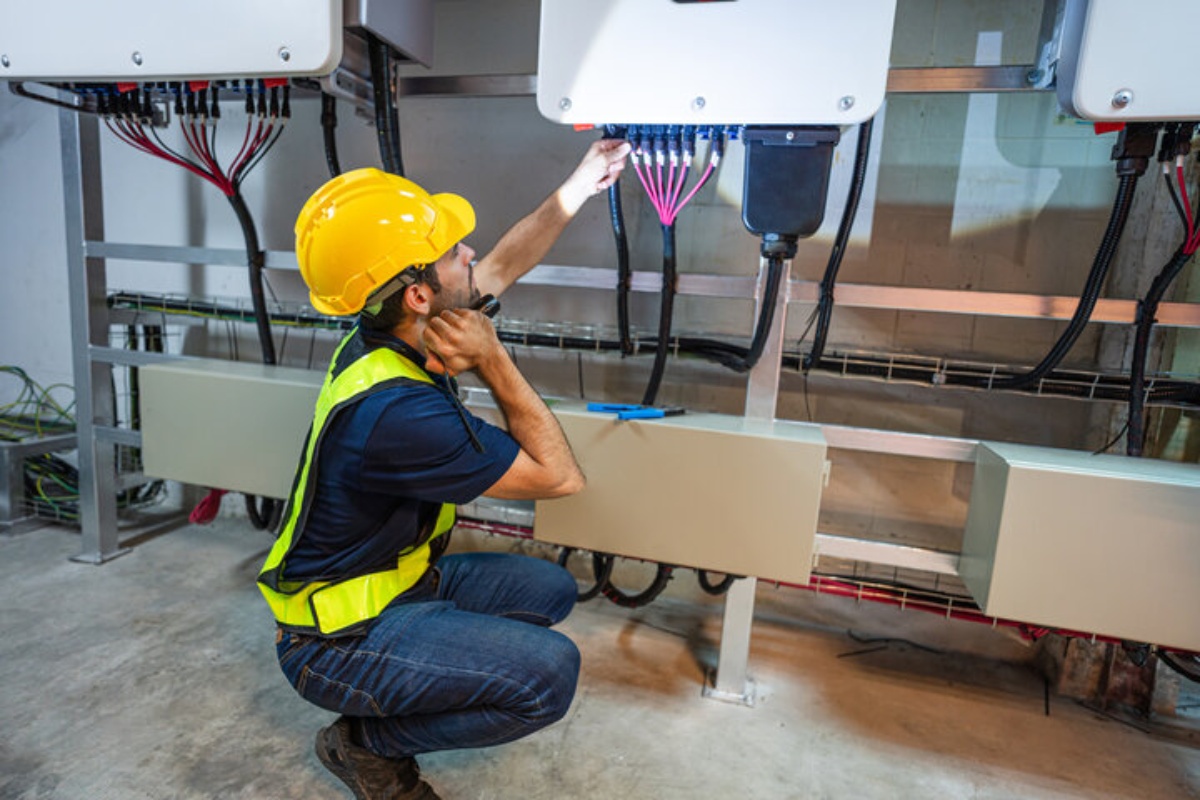
What Is a Solar Inverter and Why Does It Matter for Businesses?
A solar inverter converts the direct current (DC) electricity generated by your solar panels into alternating current (AC) electricity — the type of power your business equipment, lighting, and machinery actually use.
For businesses, the inverter isn't just a technical component. It directly impacts:
Energy efficiency — how much of the sunlight your panels capture actually becomes usable power
System uptime — downtime means lost production or operational disruption
Return on investment (ROI) — a poor inverter choice can extend your payback period by years
Scalability — as your business grows, your energy needs will too
Types of Solar Inverters for Businesses
Understanding the main inverter types is the first step to making the right choice.
1. String Inverters
String inverters connect multiple solar panels in a "string" and convert their combined output. They're the most cost-effective option and work well for businesses with simple, unshaded rooftops.
Best for: Small to mid-sized businesses with straightforward roof layouts.
2. Microinverters
Microinverters are installed on each individual panel, converting power at the panel level. This means one shaded or underperforming panel doesn't drag down the entire system.
Best for: Businesses with partial shading, complex roof angles, or those wanting panel-level performance monitoring.
3. String Inverters with Power Optimizers
A hybrid approach — string inverters paired with optimizers on each panel — that combines lower cost with better performance tracking than a basic string setup.
Best for: Medium businesses wanting a balance of cost and performance visibility.
4. Central Inverters
Built for large-scale commercial and industrial installations, central inverters handle very high power loads efficiently and are typically used in solar farms or large factories.
Best for: Large industrial facilities and enterprises with high energy demand.
5. Hybrid Inverters
Hybrid inverters manage both solar input and battery storage, allowing businesses to store excess energy for use during outages or peak-demand hours.
Best for: Businesses wanting energy independence, backup power, or planning to add battery storage later.
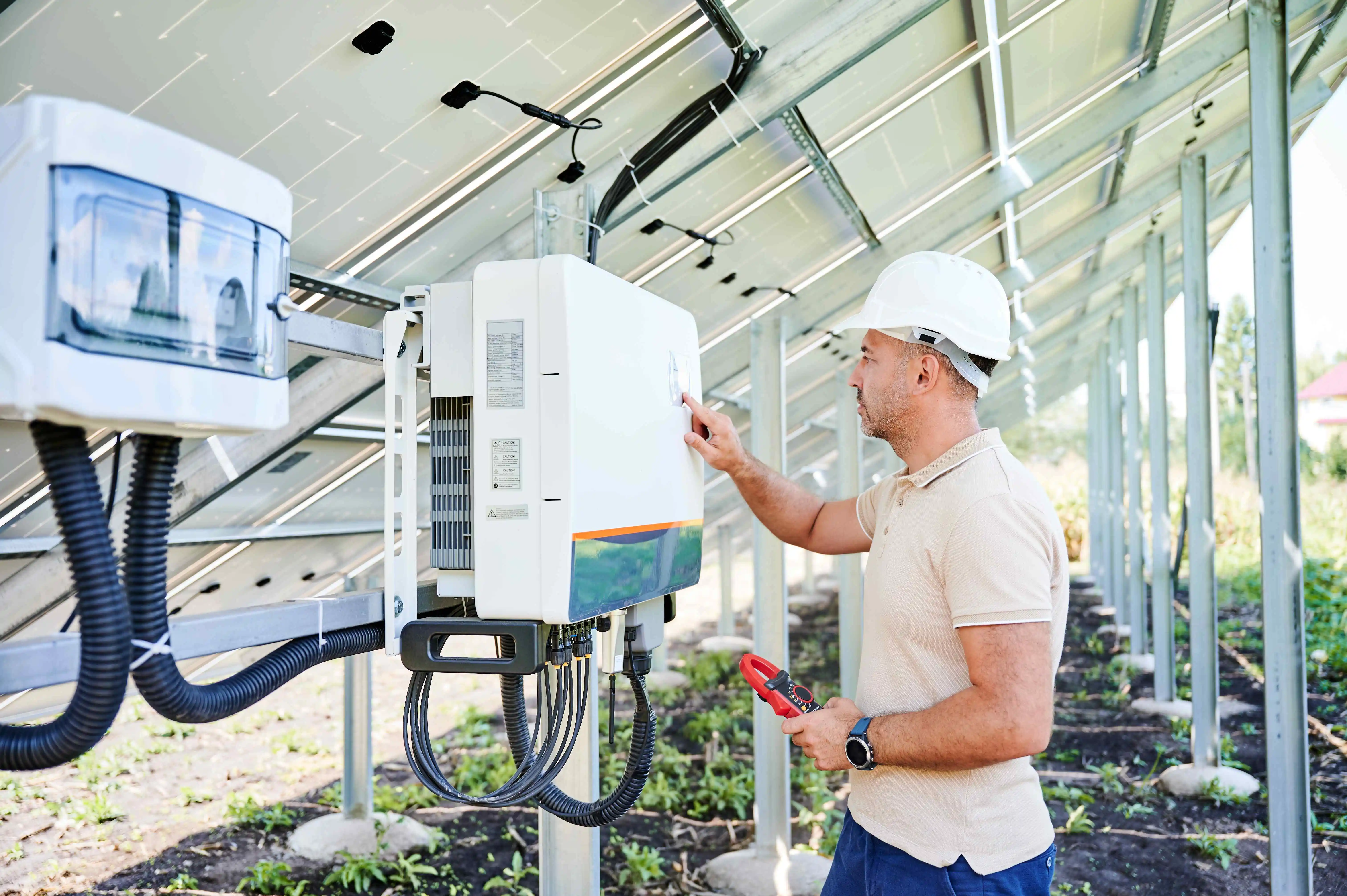
7 Key Factors to Consider When Choosing a Solar Inverter
1. Power Capacity (kW/kVA Rating)
Your inverter's capacity should match — or slightly exceed — your solar array's total output and your business's peak energy demand. Undersizing limits performance; oversizing wastes money.
2. Efficiency Rating
Look for inverters with a conversion efficiency of 97% or higher. Even a 2-3% difference in efficiency translates into significant energy (and cost) savings over the inverter's lifespan.
3. Warranty and Lifespan
Most quality commercial inverters come with 5 to 12-year warranties, with some extendable up to 20-25 years. Since inverters typically need replacement before panels do, warranty length is a major cost factor.
4. Grid Connectivity Requirements
Confirm whether your business needs a grid-tied, off-grid, or hybrid inverter based on your location's grid reliability and your backup power needs.
5. Monitoring and Smart Features
Modern inverters offer app-based or cloud monitoring, letting you track energy production, detect faults early, and optimize usage — a valuable feature for multi-site businesses.
6. Scalability for Future Growth
If you anticipate expanding operations, choose an inverter system that can scale — either by adding more panels or integrating additional inverters without a full system overhaul.
7. Total Cost of Ownership (Not Just Upfront Price)
Factor in installation, maintenance, expected replacement cycles, and efficiency losses over time — not just the sticker price.
Common Mistakes Businesses Make When Choosing a Solar Inverter
Choosing the cheapest option without checking efficiency ratings
Ignoring future energy needs and scalability
Overlooking warranty terms and manufacturer reputation
Not accounting for shading or complex roof layouts
Skipping professional load assessment before sizing the system
Final Thoughts
The best solar inverter for your business depends on your energy consumption, roof layout, budget, and long-term growth plans. For most small and mid-sized businesses, a string inverter with power optimizers offers the best balance of cost and performance. Larger operations with high energy demands should consider central or hybrid inverters for scalability and backup capability.
Before making a final decision, get a professional site assessment and compare quotes from at least 2-3 certified solar providers to ensure you're getting the right system size, efficiency rating, and warranty for your business needs.
FAQs
What is the best type of solar inverter for a small business?
For most small businesses with simple rooftops, a string inverter or string inverter with power optimizers offers the best cost-to-performance ratio.
How long do commercial solar inverters last?
Most commercial solar inverters last 10-15 years, though some hybrid and premium models can last up to 20-25 years with proper maintenance.
Can I add battery storage to my business's solar inverter later?
It depends on the inverter type. Hybrid inverters are designed for battery integration, while standard string inverters may need additional equipment or a compatible upgrade path.
What size solar inverter does my business need?
Inverter size should match your total solar panel output and peak energy demand. A professional energy audit is the most accurate way to determine the right capacity for your business.
Is a more expensive solar inverter always better for business use?
Not necessarily. The best choice balances efficiency, warranty, scalability, and total cost of ownership — not just the upfront price. A mid-range inverter with strong efficiency and warranty often outperforms a premium model that's oversized for your needs.
Found this useful? Share it with your network.